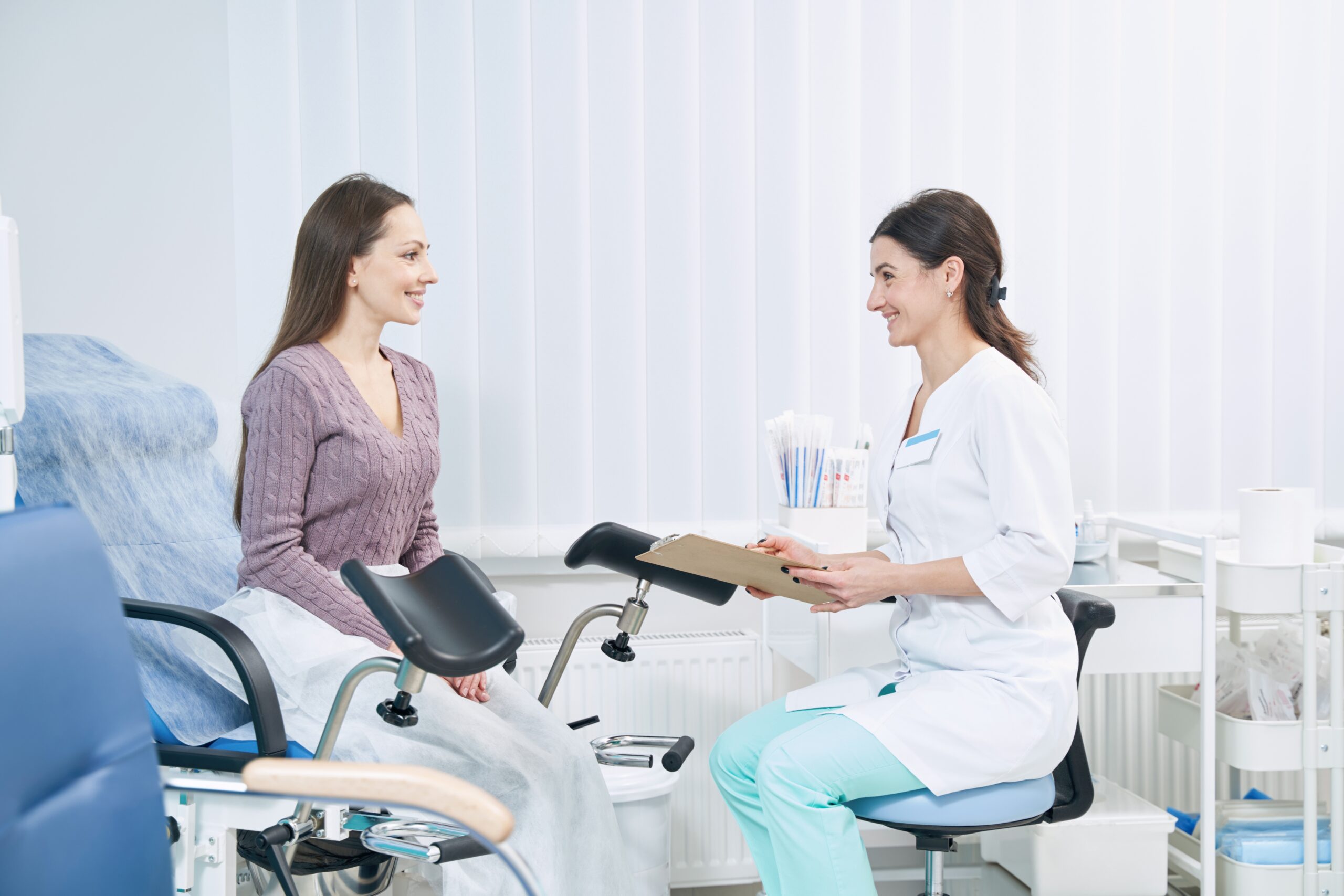

Pregnancy and the postpartum period are times of significant change, both physically and emotionally. While the focus is often on physical health, mental health is equally important. Hormonal fluctuations, sleep disruptions, and adjusting to the demands of a new baby can affect your emotional well-being. It’s essential to care for your mental health during these times to ensure you feel supported, balanced, and empowered as you navigate this life transition.
1. Recognizing Common Mental Health Challenges
During pregnancy and after childbirth, many women experience a range of emotions. It’s normal to feel excited, nervous, and even overwhelmed at times. However, some women may face more serious challenges, such as perinatal depression, anxiety, or postpartum depression (PPD). PPD can occur any time within the first year after childbirth, and it’s important to recognize the symptoms, which may include persistent sadness, irritability, trouble bonding with your baby, and feeling overwhelmed. It’s crucial to seek help if you experience any of these signs.
2. The Role of Hormonal Changes
Hormonal changes play a significant role in mood shifts during pregnancy and the postpartum period. Estrogen and progesterone levels fluctuate during pregnancy and after childbirth, which can affect your mood and emotional regulation. These hormonal changes can contribute to feelings of sadness, irritability, or anxiety. While these feelings are often temporary, it’s important to reach out to your healthcare provider if they become overwhelming or persistent.
3. Managing Stress and Anxiety
Pregnancy and early motherhood can be stressful times. Managing stress is essential for both your mental and physical health. Taking time for relaxation, practicing mindfulness, and using stress-relief techniques such as deep breathing or yoga can help reduce anxiety and improve overall well-being. It’s also important to recognize your limits—don’t be afraid to ask for help or take breaks when needed. Consider joining a support group for new mothers to connect with others who may be going through similar experiences.
4. The Importance of Sleep
Sleep disruptions are common during pregnancy and after childbirth. Physical discomfort during pregnancy can make it difficult to sleep, and after your baby arrives, you may face irregular sleep patterns due to feedings or other baby care. Lack of sleep can contribute to feelings of irritability, anxiety, and depression. Prioritize sleep whenever possible by taking naps when your baby sleeps, creating a restful environment, and seeking help from family or friends to share baby care duties.
5. Reaching Out for Support
It’s essential to build a support system during pregnancy and the postpartum period. Whether it’s your partner, family members, friends, or professional counselors, having people to lean on is vital. Don’t hesitate to talk about your feelings and concerns. If you’re struggling with emotional health, consider speaking with a therapist who specializes in perinatal mental health. You don’t have to go through it alone—reaching out for support is a sign of strength, not weakness.
6. Self-Care and Setting Boundaries
Self-care during pregnancy and postpartum is often neglected as many women focus solely on their babies. However, taking care of yourself is crucial for your well-being. Set aside time for activities that bring you joy and relaxation, whether it’s reading, going for a walk, or enjoying a warm bath. It’s also essential to set boundaries—be kind to yourself and don’t feel pressured to do everything perfectly. Accept help from others and don’t hesitate to say no when you need time to rest.
7. Nutrition and Physical Health
Good nutrition is essential for maintaining mental health during pregnancy and the postpartum period. Eating a balanced diet rich in vitamins, minerals, and healthy fats can positively impact mood and energy levels. Nutrient-rich foods, such as leafy greens, lean proteins, whole grains, and healthy fats, support overall brain health. Regular physical activity, when approved by your healthcare provider, can also help improve mood and reduce stress. Exercise releases endorphins, which are natural mood boosters.
8. Postpartum Check-ups
After childbirth, it’s important to attend your postpartum check-up with your healthcare provider. During this visit, your doctor will assess both your physical and emotional health. It’s a good time to discuss any mental health concerns you may have, whether it’s anxiety, depression, or simply feeling overwhelmed. If you’re struggling, your doctor can recommend therapy, counseling, or even medication to help you feel better. Remember, seeking help for mental health is just as important as addressing physical health.
9. The Importance of Patience and Compassion
Adjusting to life with a new baby takes time. It’s important to be patient with yourself as you navigate the changes and challenges of pregnancy and motherhood. Practice self-compassion and remember that it’s okay to not have everything figured out right away. Give yourself grace, and recognize that it’s normal to have a mix of emotions during this life transition. You are doing the best you can, and that’s enough.
Taking care of your mental health during pregnancy and postpartum is essential for both you and your baby. By seeking support, practicing self-care, and addressing any mental health challenges early, you can ensure a healthier and more balanced experience during this exciting chapter of your life. If you have concerns about your emotional well-being, don’t hesitate to reach give us a call at 571-707-8522 today to schedule an appointment, we’re always here for you.